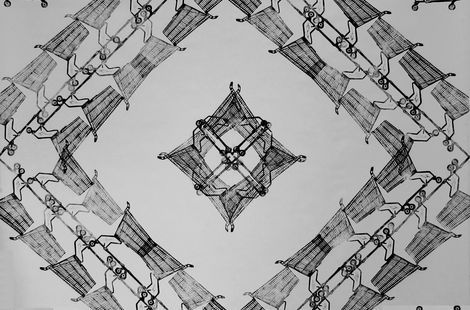
Kyiv . Ya Gallery Art Center
Minotaur Quest
09.10.2014 – 03.11.2014

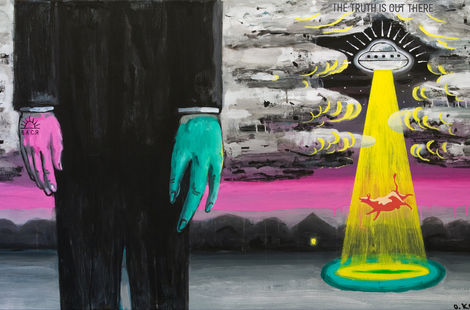
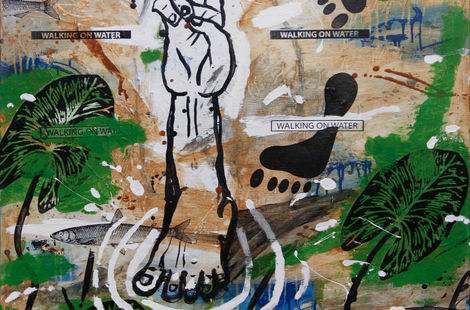
Oleksandr Korol's project continues investigation of subconscious fears of an average contemporary, as well as his desires and their transformation on the way of realization. Instead of artistic interpretation of the myth, the author prefers its psychologization which draws a spectator into the game with himself.
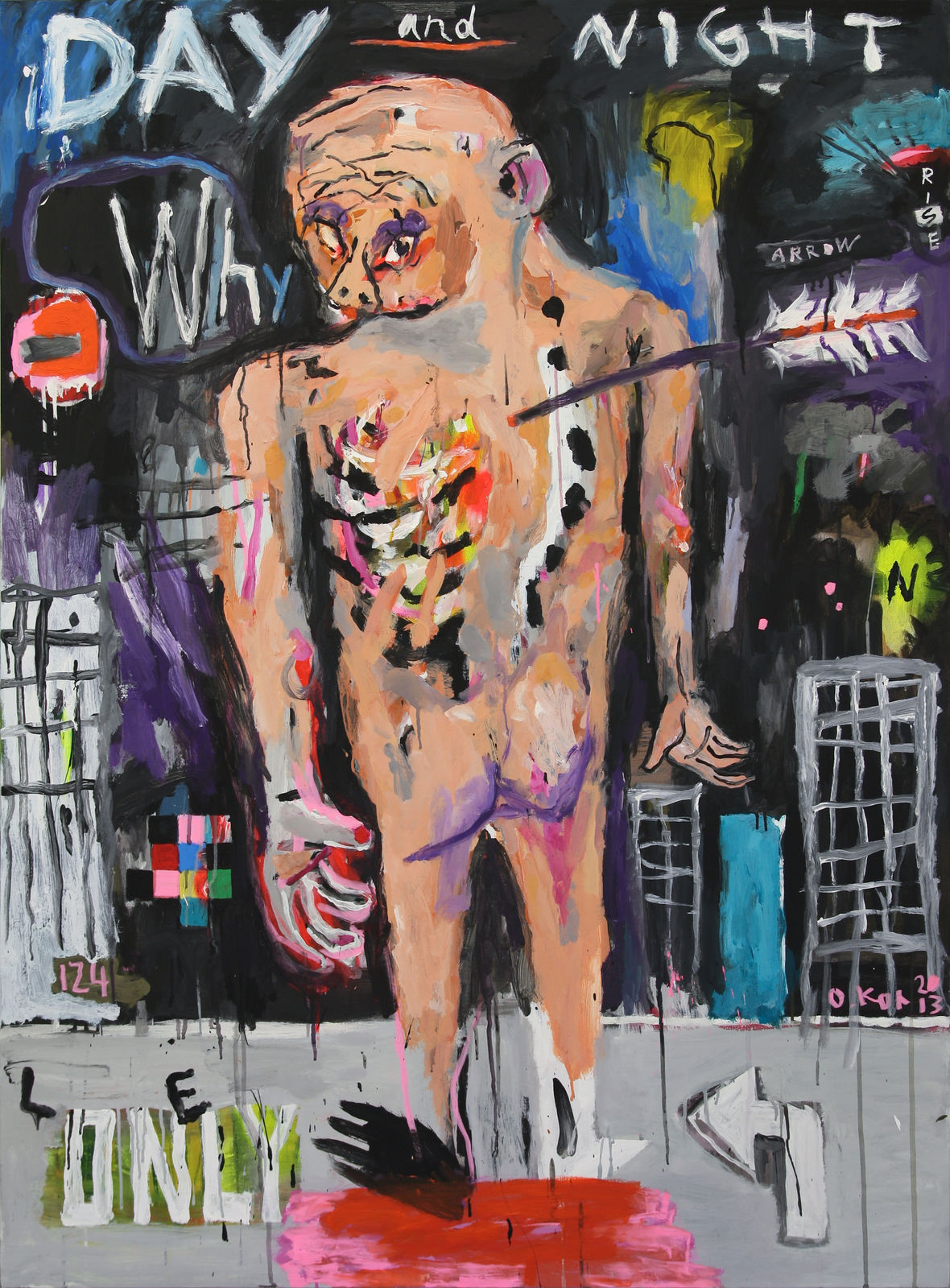
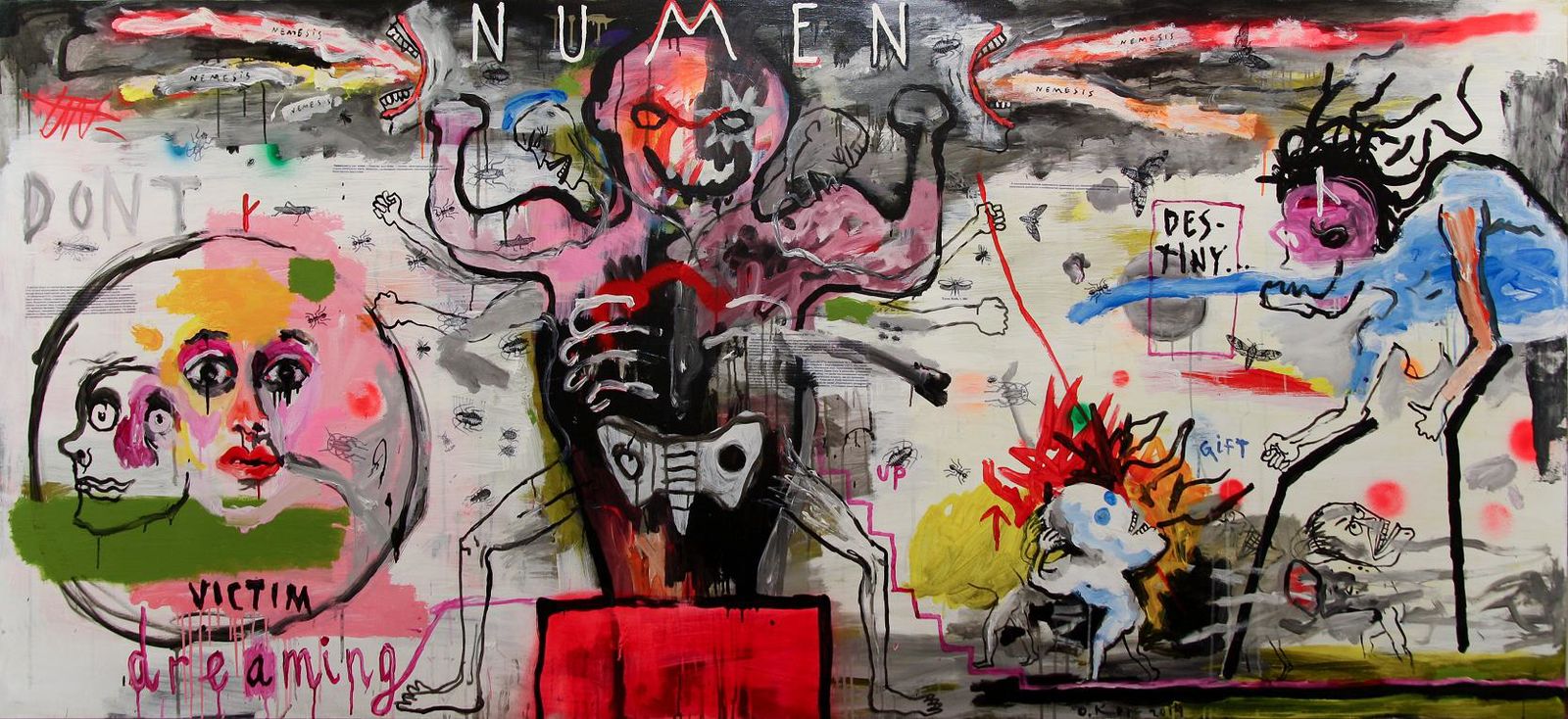
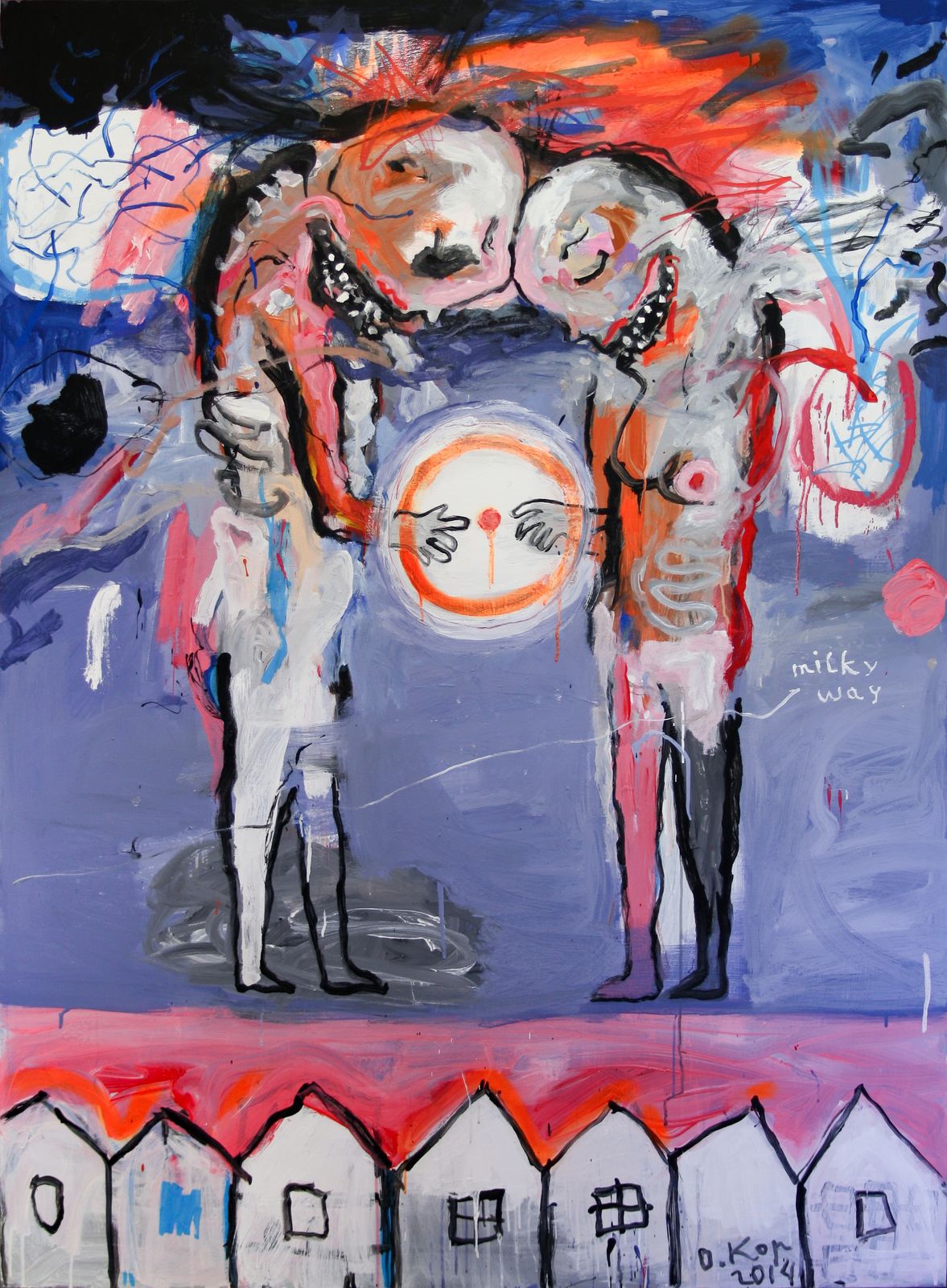


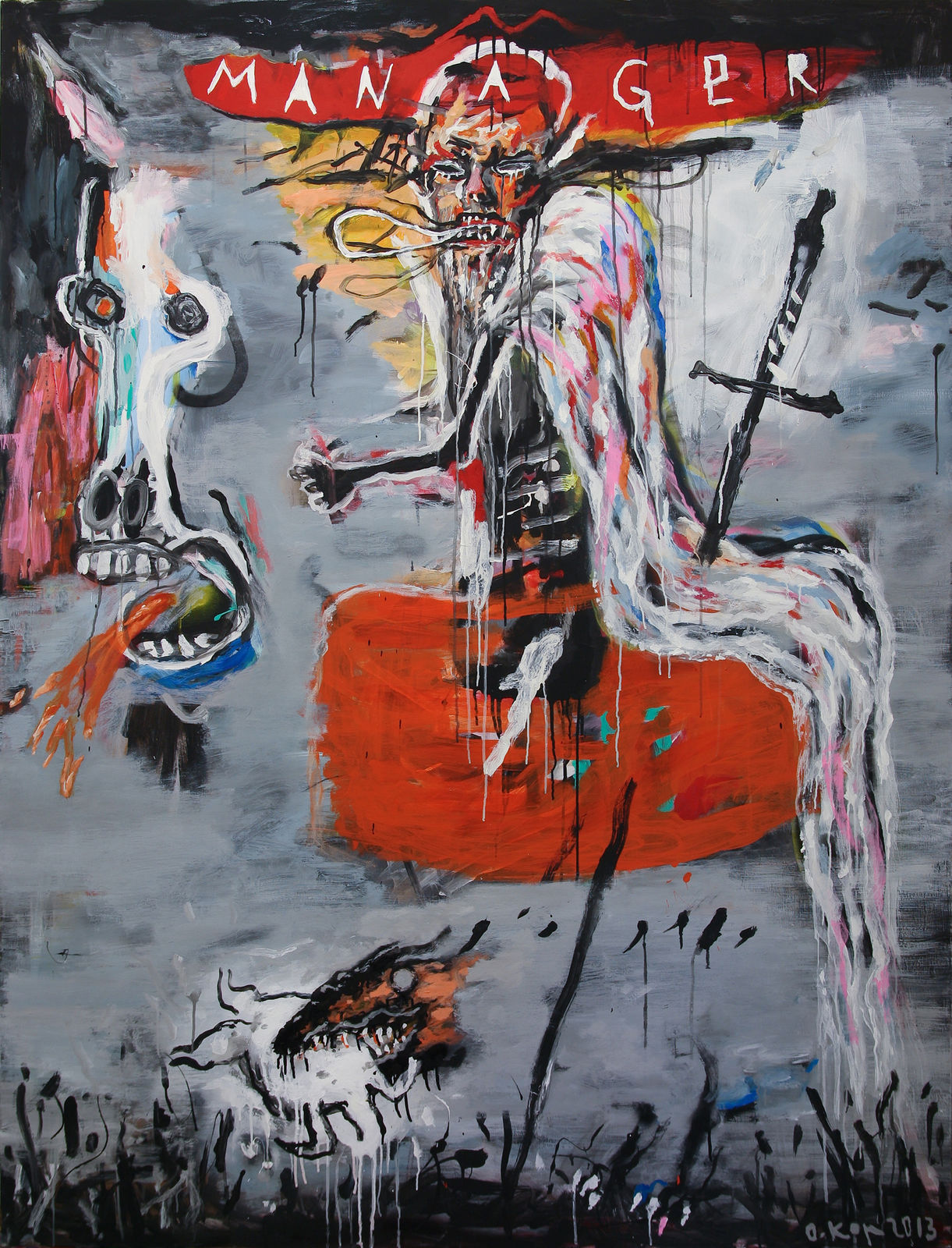


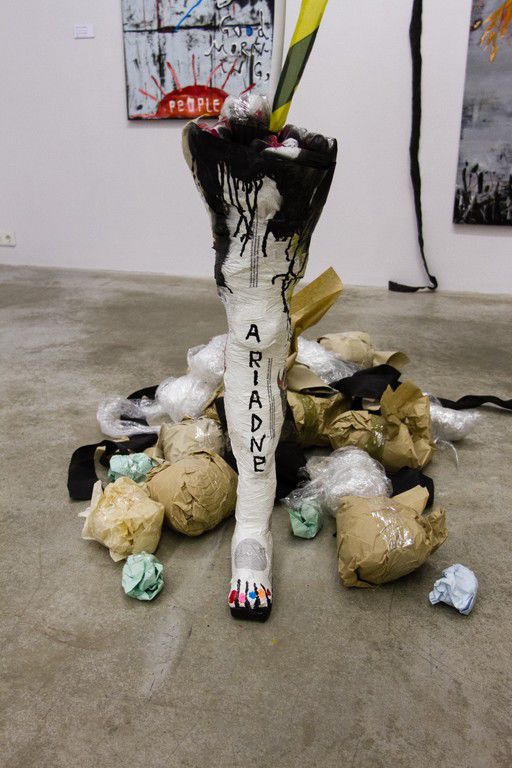
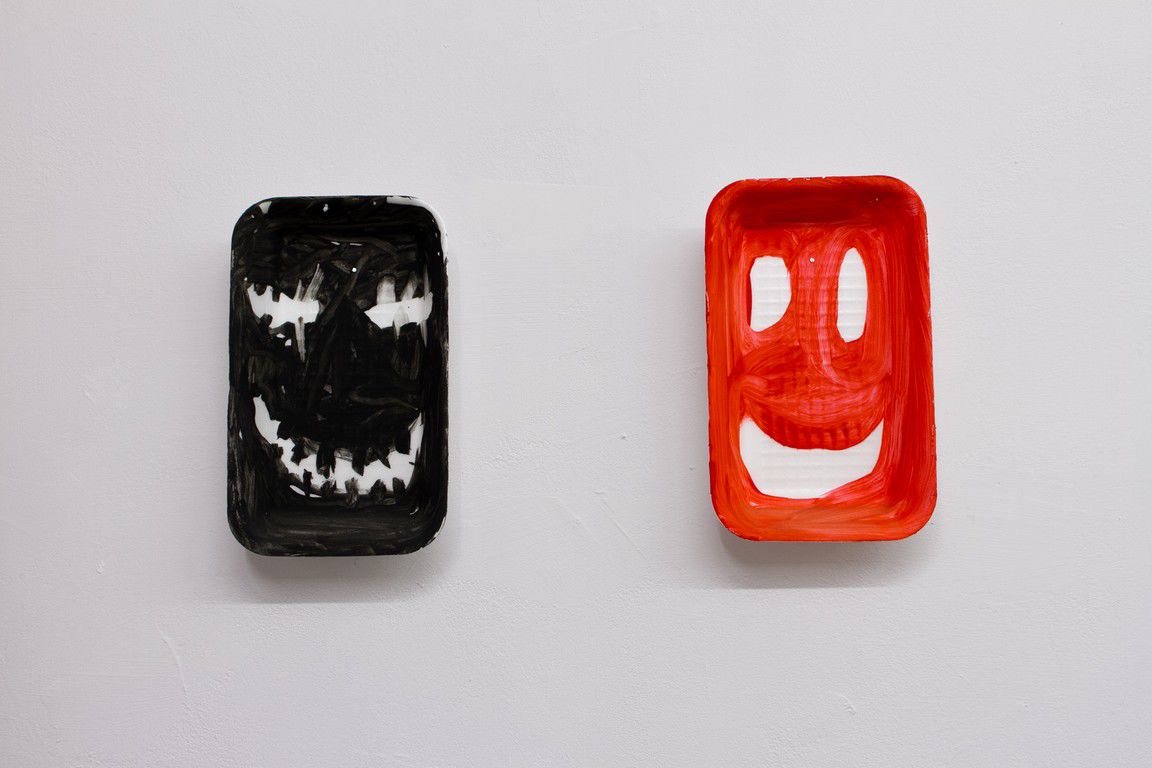
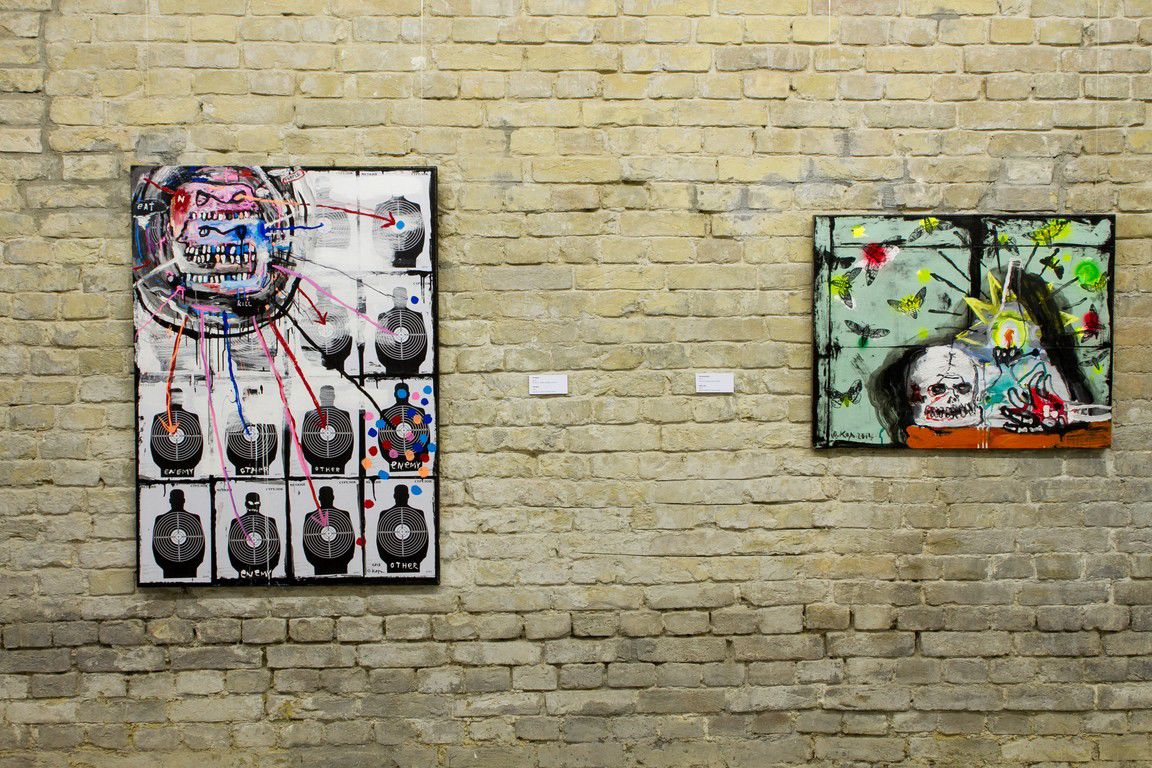
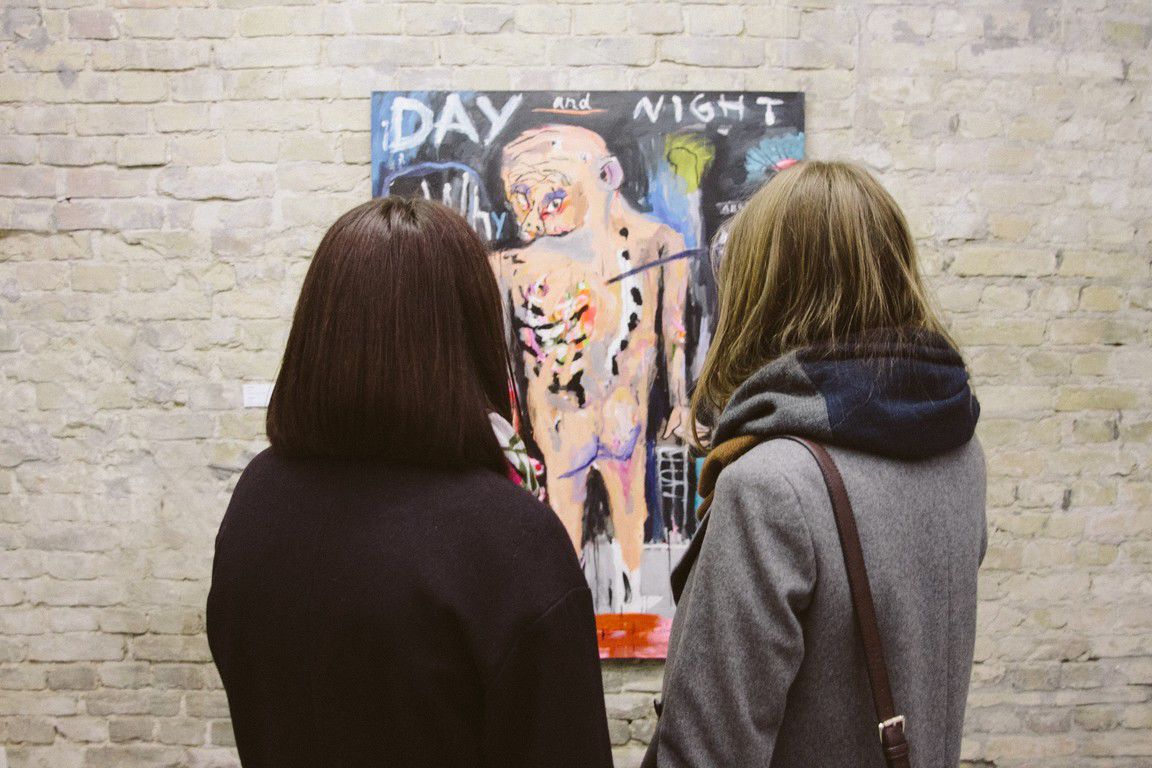
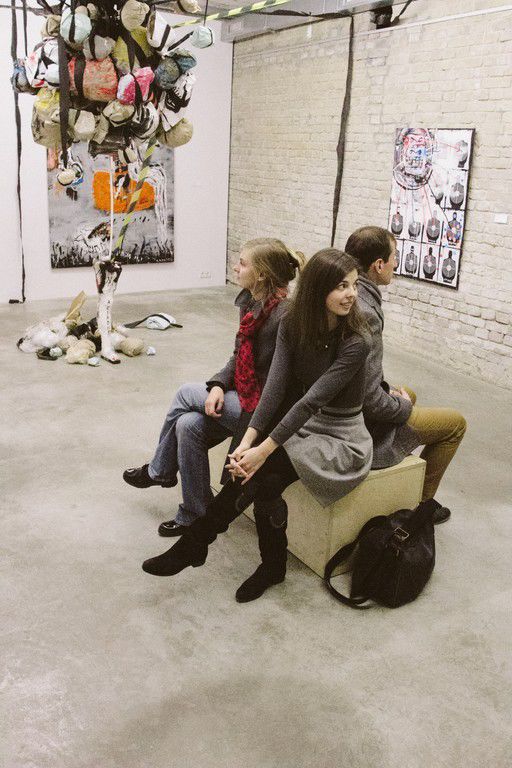
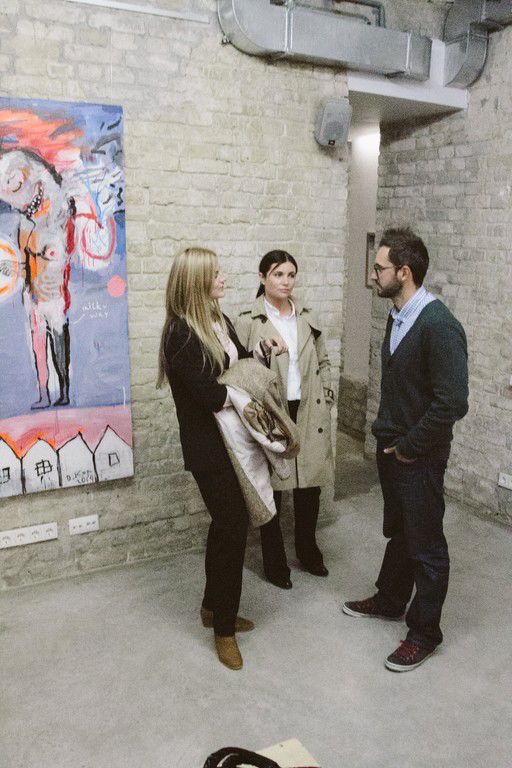
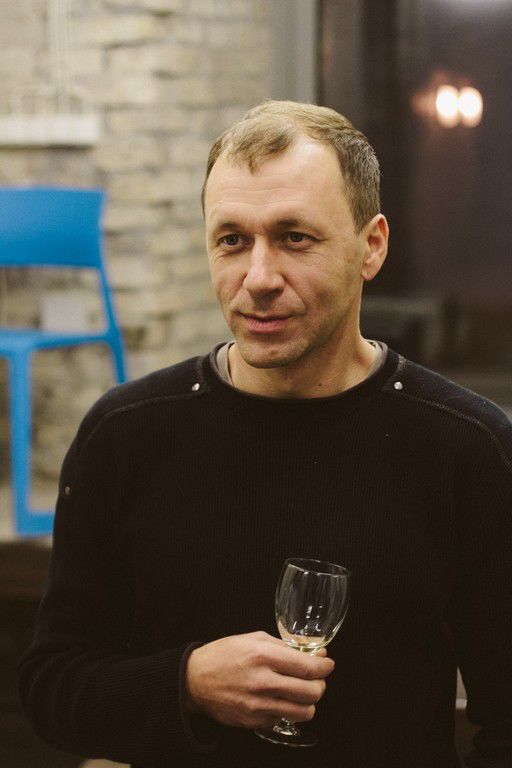
Oleksandr Korol's second project in Ya Gallery in Kyiv continues investigation of subconscious fears of an average contemporary, as well as his desires and their transformation on the way of realization.
Instead of artistic interpretation of the myth, the author prefers its psychologization which draws a spectator into the game with himself. However, unlike the "naive" artists, whom the author could belong to, Korol on no account takes it seriously. On the contrary, he plays with the spectator's imagination, demonstrating him effective scenes of mental metamorphoses and offering him to choose characters and game "steps" on his own. It becomes more obvious since the artist declares so in the project's title.
Instead of an expected word "labyrinth", which together with the Minotaur was a symbol of a tough trial since ancient ages, Oleksandr Korol uses the word "quest". This way he prepares the spectator to face the visual game, turning the perception in the opposite direction. Is it a coincidence or not, but a quest has the closest connection with a labyrinth, since the first quest in the history was created by a computer programmer and caver William Crowther (Colossal Cave Adventure, 1975). In the game the player had to move around a huge maze-like cave. Its main part quite precisely described the locations of Mammoth Cave - the world's longest system of caves. Since those times the essence of the quest didn't change: using prompts, just like Theseus used Ariadne's thread, the hero has to accomplish the mission and to overcome the tangled route.
In Oleksandr Korol's version of an ancient Greek myth the quest becomes more complicated - not dimensionally, but, let's say, anthropologically. As soon as the painter's perception of the world changes, his images also change: they become more concentrated and laconic. The composition gets rid of a center and a main character expressing "movement, overflow and periodicity". And the labyrinth is projected as city landscape, traditionally lonely and crowded.
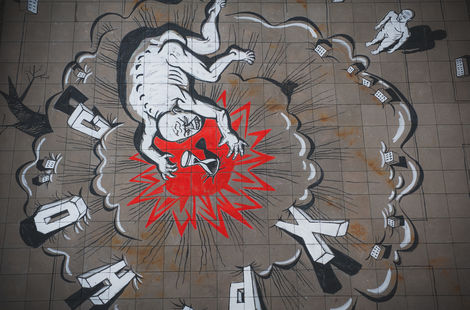
Populated by characters from other myths, the maze becomes a sewer of insects and insatiable monsters which haunt heroes with images of unknown and inevitable doom. Saint Mary escapes to Egypt in order to save Baby Jesus. A knight on a horse (or "manager") is swallowed by fate, as well as his faithful dog. With mythical scope the space of the painting transforms into the battlefield between good and evil, where a human being is doomed to struggle with others.
While the artist names chaos in a row of inscriptions (pain - despair - mistake), in its background Ariadne's sexualized image looks at least unconvincingly, and a slogan "My weapons are good, love and smile" - utterly ironically. Nevertheless, the idea to save the world is smoldering here, nourished by images of Numen and Nemesis. At the same time the notion of numious, which is felt in all the paintings, is precisely described and reproduced by the artist - as transcendental experience that terrifies and attracts simultaneously. But Nemesis gives the merited reward.
According to the author's intention, the project is opened by an entrance into the labyrinth, Ariadne's threads of the installation lead the spectator to paintings each of which is a realization of views and desires: "The Minotaur is the "dark side" of the world. When one finds it in the labyrinth, he can whether fight with it if drawbacks are overcome, or become its ally to take its side" (O. Korol). But as soon as the spectator finds himself in the space of exhibition, the border disappears. So whether he wants or not, the game has already begun.
Olena Yegorushkina