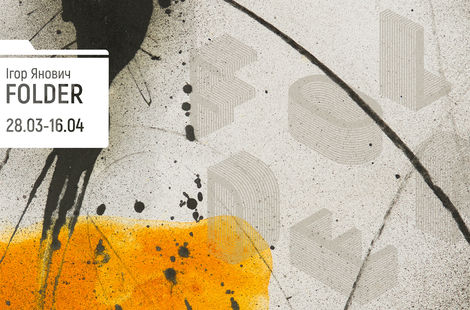
Dnipropetrovsk. Ya Gallery Art Center
Trajectory
19.04.2016 – 27.05.2016

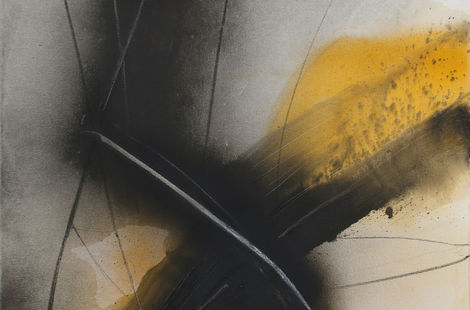
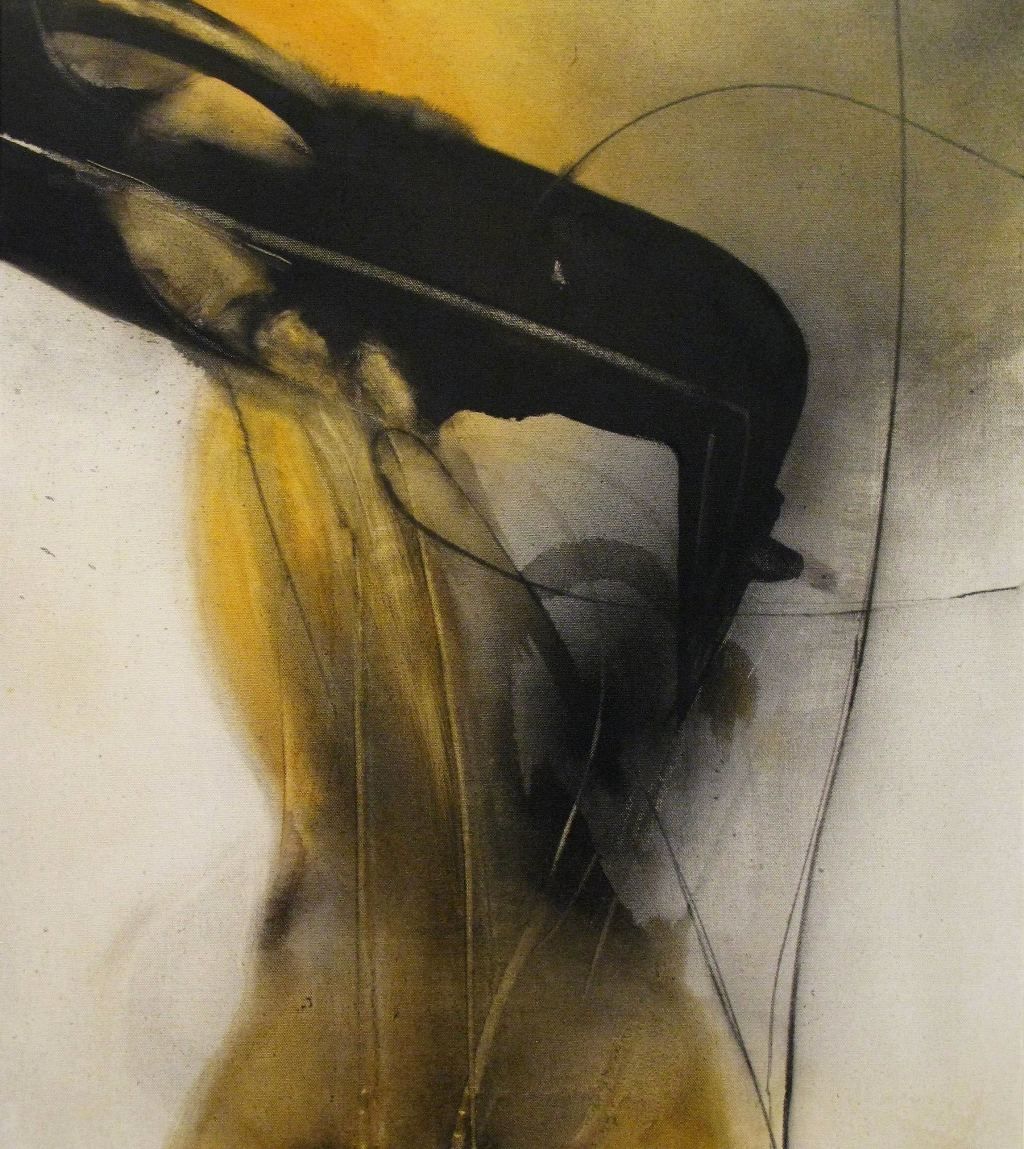
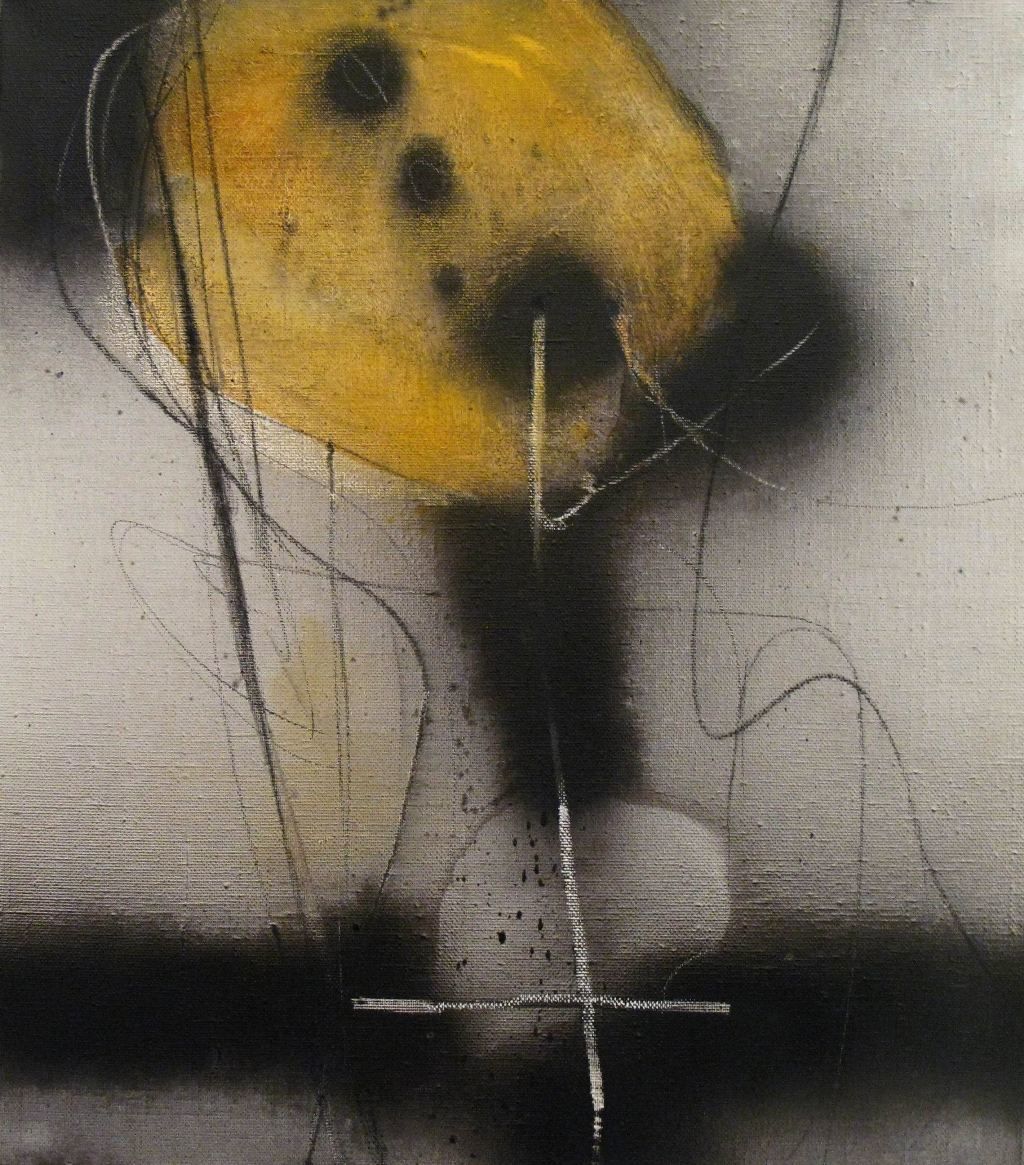
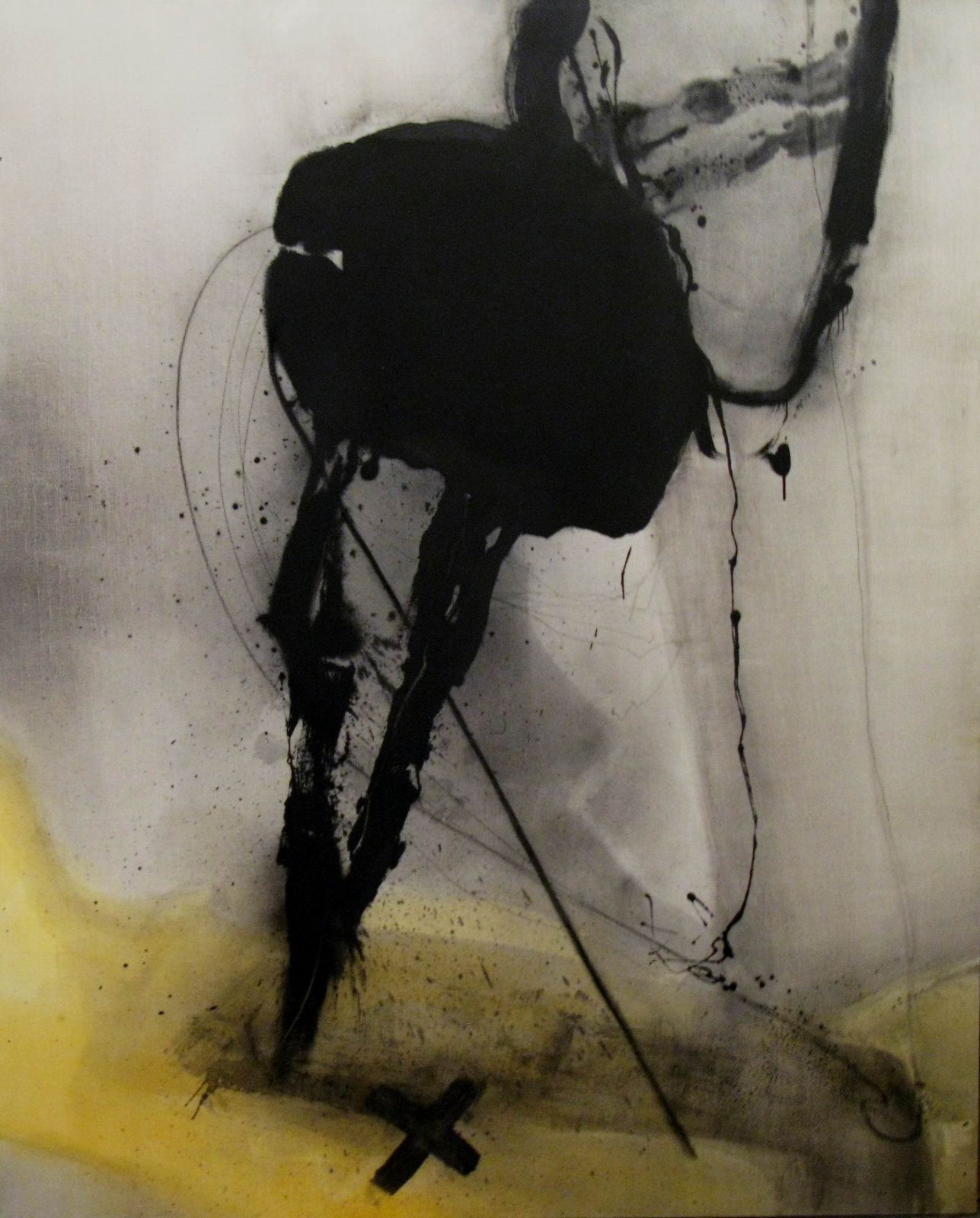
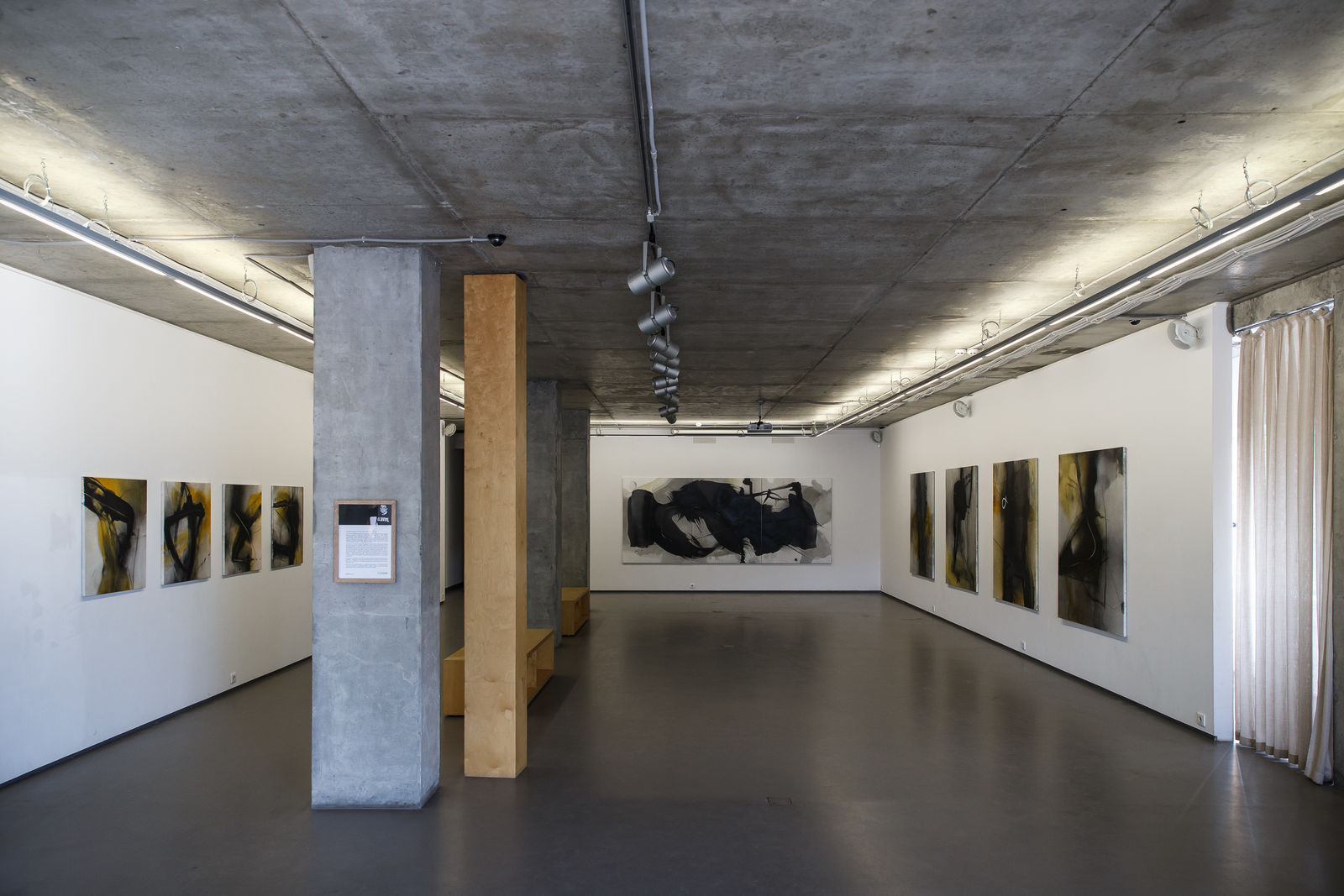
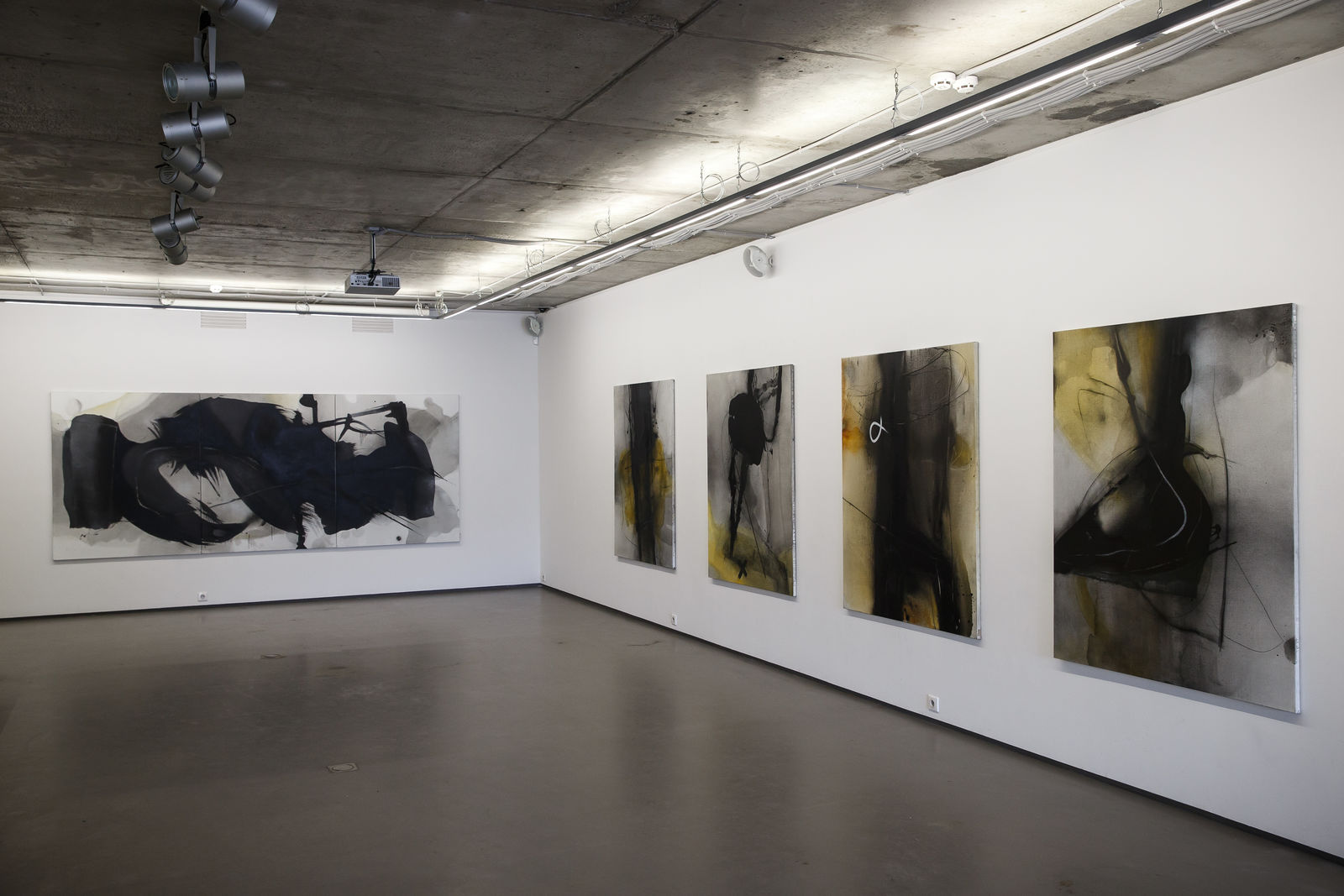
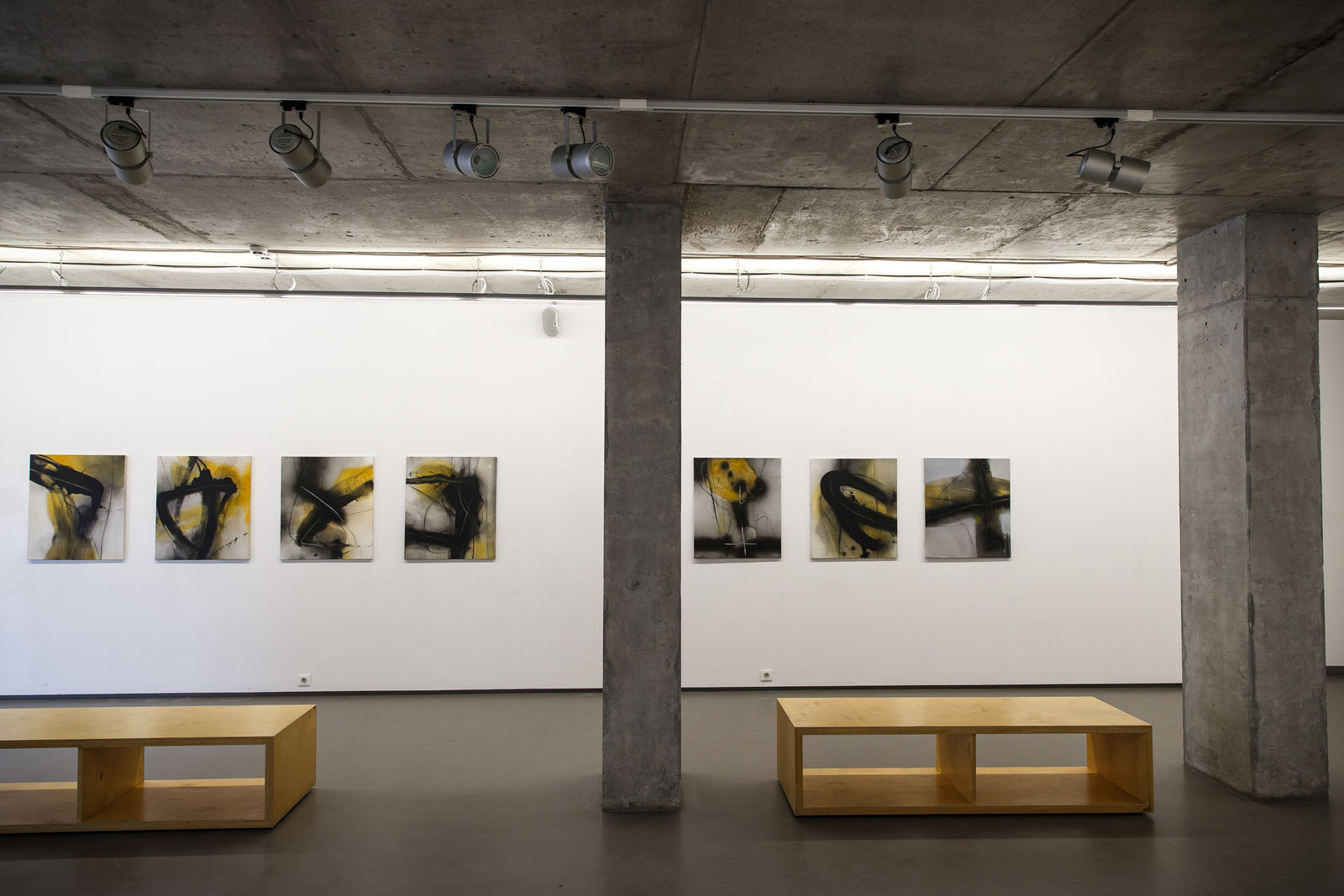
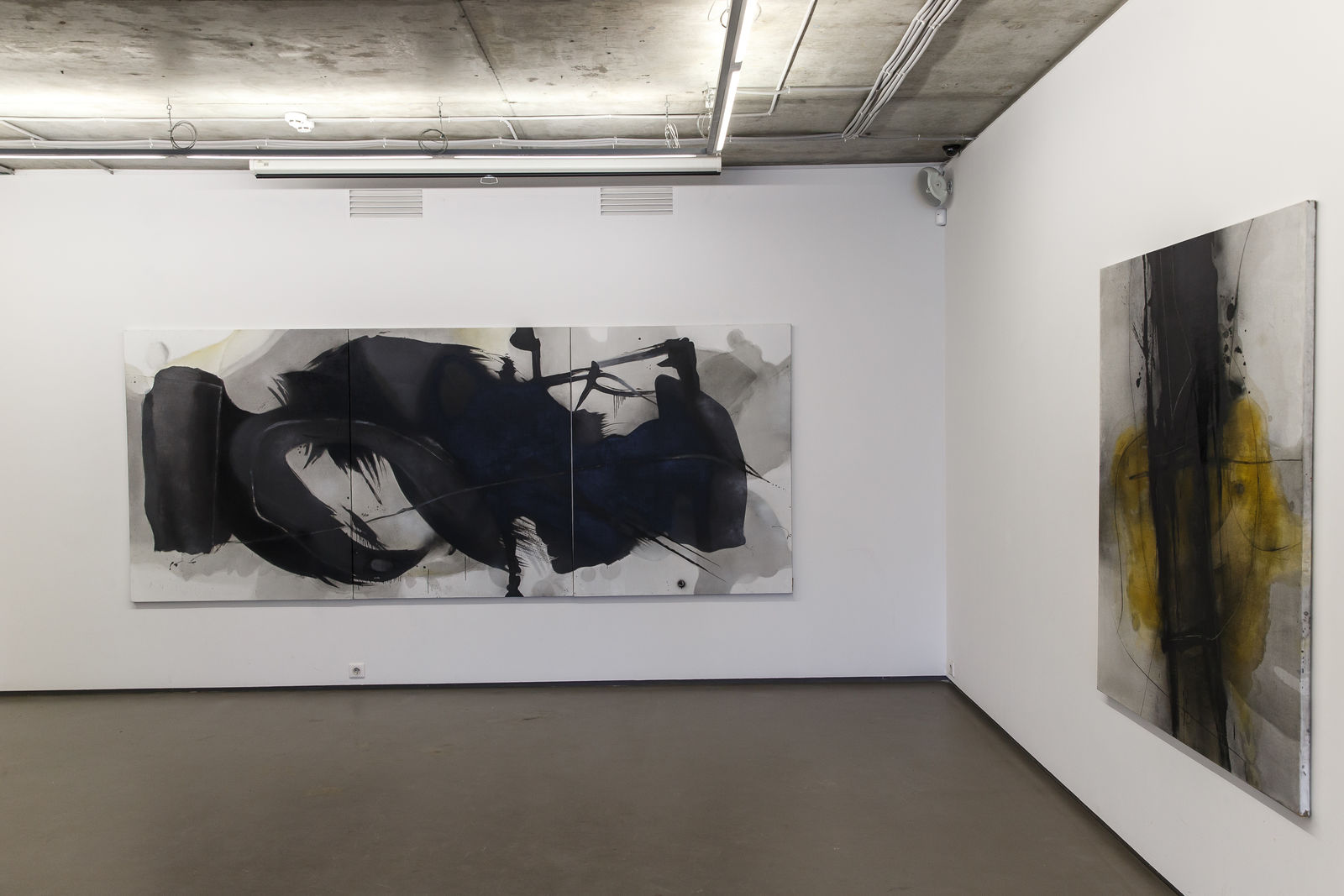
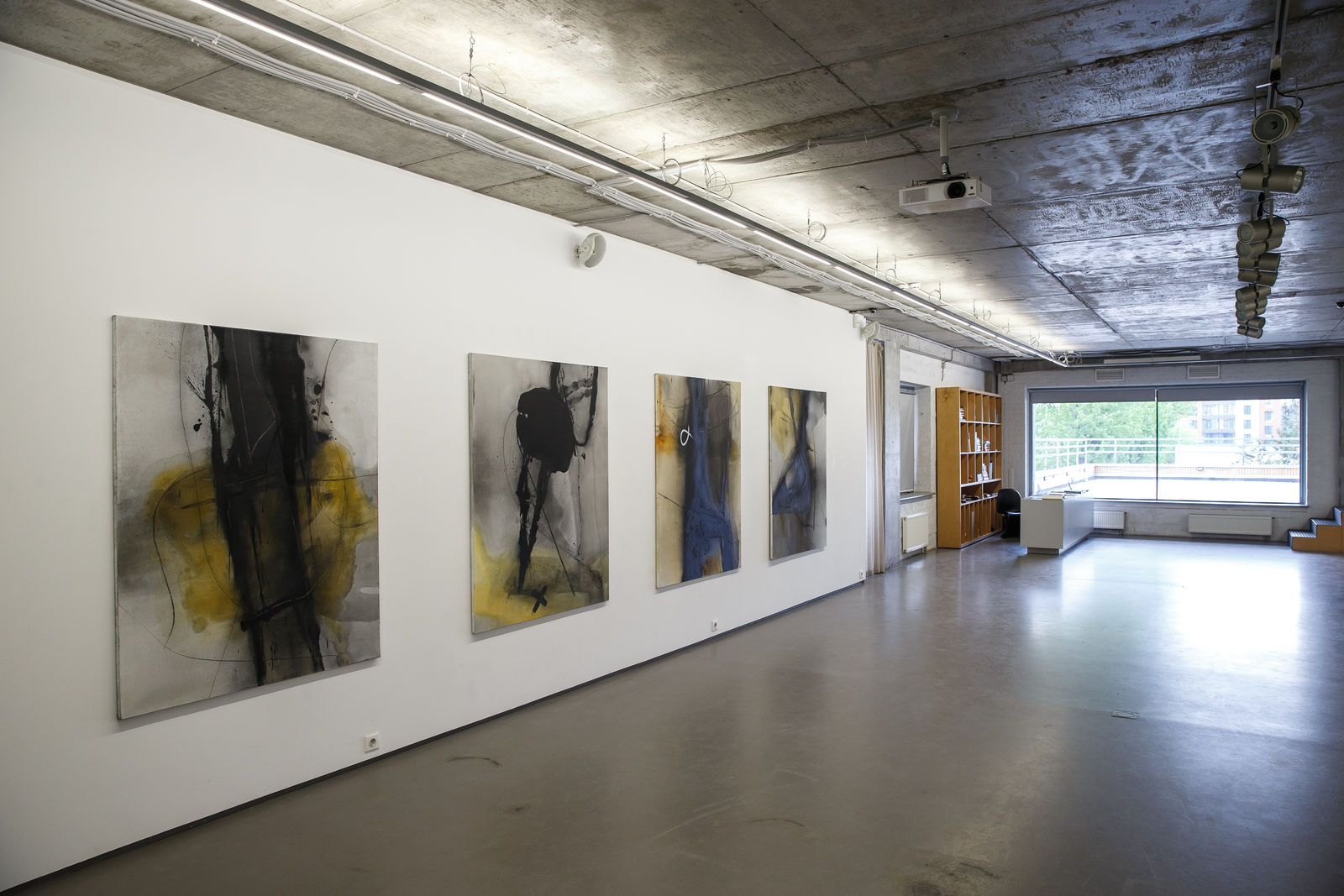
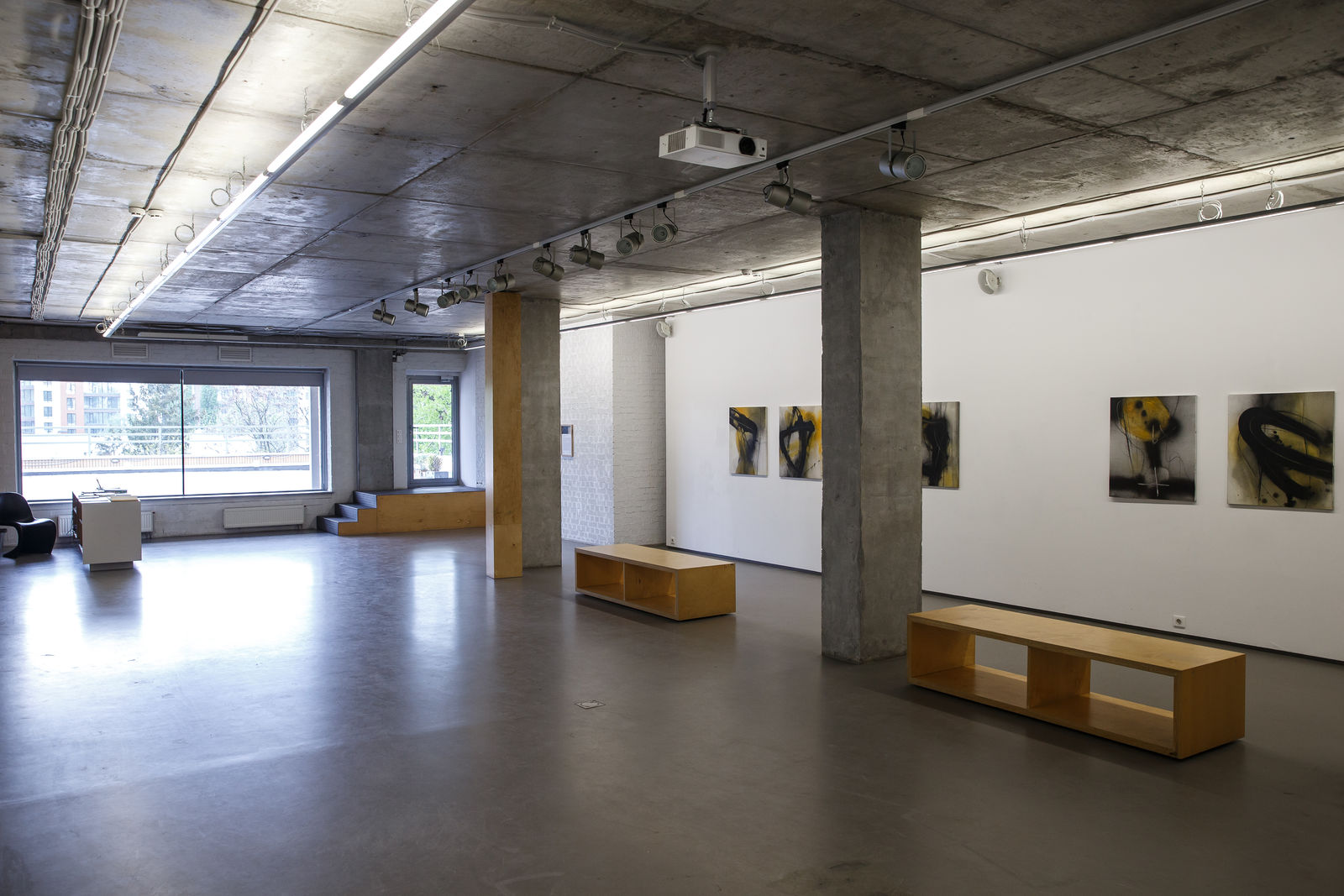
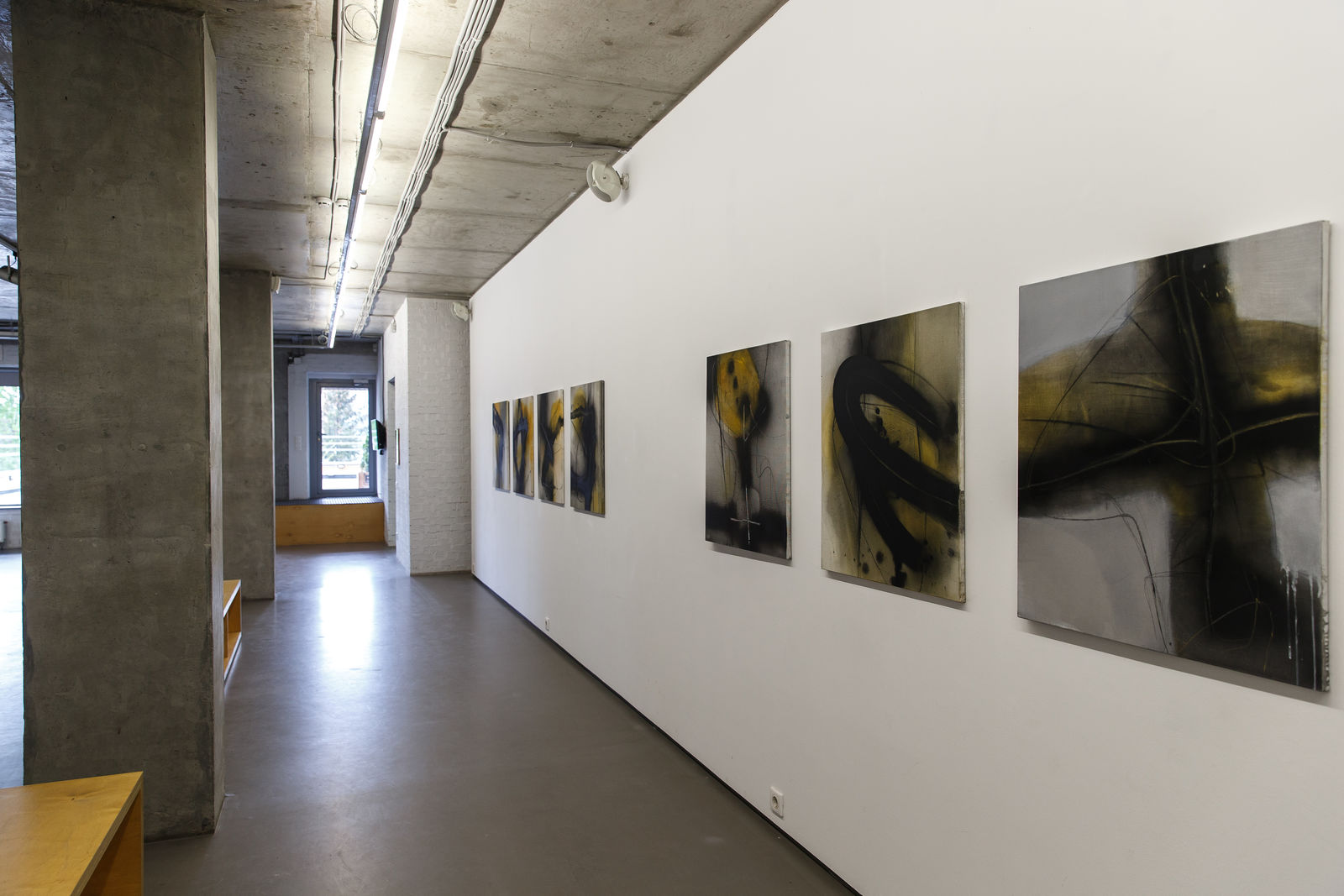
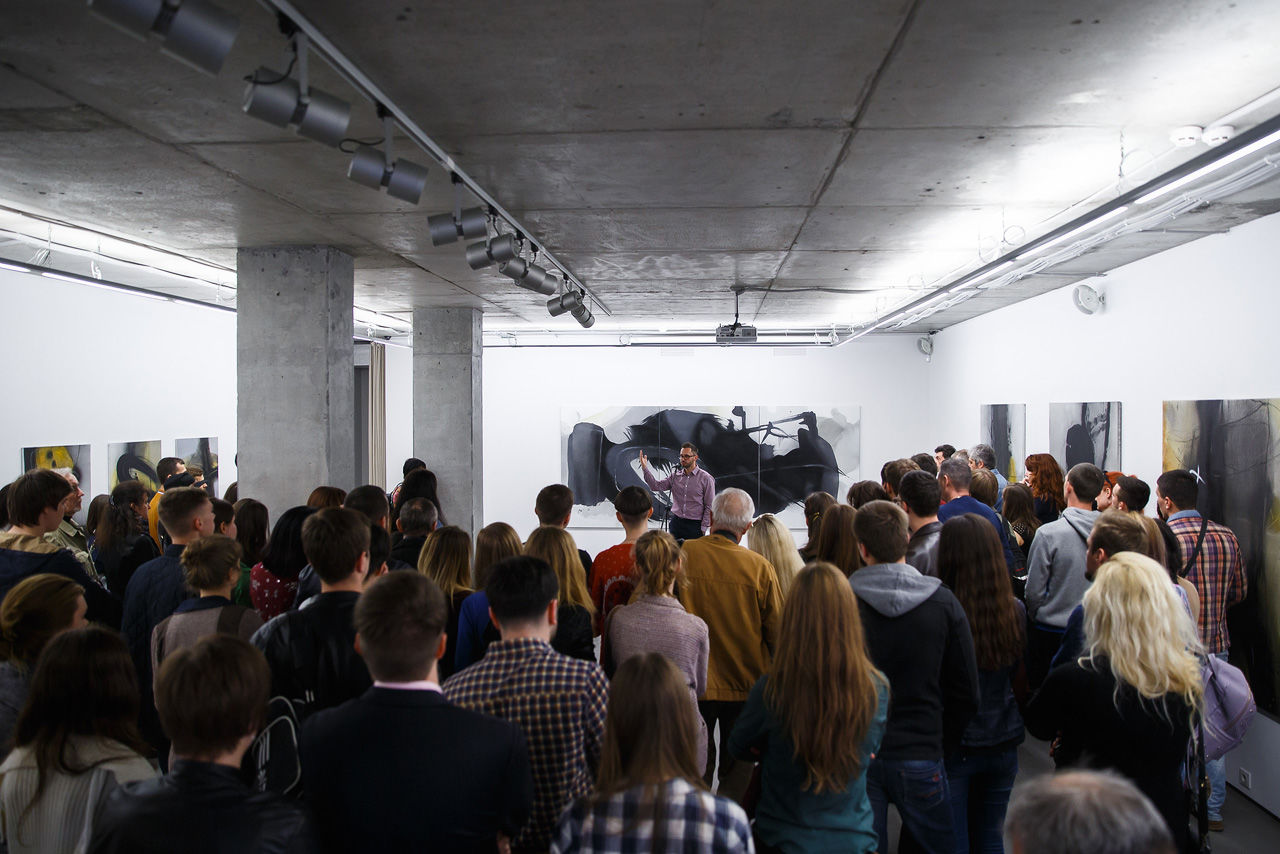
In a new series named The Trajectory an artist continues to work with themes of space, time, external and internal matters and their interaction through closer work with shape – in a unified style and using limited range of colors. The series title alludes to a sequel of things that happened before, to a continuation of speculations that lead the artist from one project to another.
…many people think that art deals with understanding, however itdoesn't.
Art deals with feelings
John Cage
Igor Yanovych belongs to that kind of artists who work by series, all-sufficient, well-weighed and holistic projects, but at the same time – who proceed with meditations from their previous series. That is why The Trajectory can be viewed alongside with his last project – The Stream (Ya Gallery Art Center, Kyiv, 2014). Then Yanovych minimized his own creative activity, emphasizing his attention to artistic non-intervention into material, gave freedom for paints-substances, let “the stream" have its metaphysical meaning of the flow of things. On the contrary, The Trajectory is a series that concentrates on the work with shapes, thus by its essence it is an anthropological practice. One of the project's draft titles was Reflections - a word that significantly emphasized this component of a human nature. However, its final title is more precise - The Trajectory, as well as The Stream, is also about movement, but seized in absolutely another image. Yet it's the same movement.
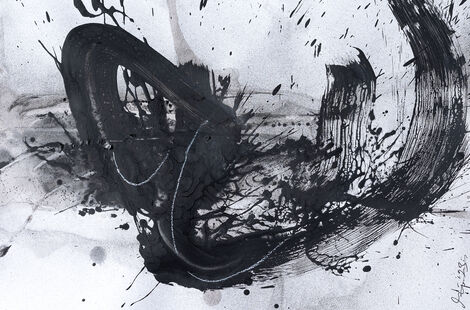
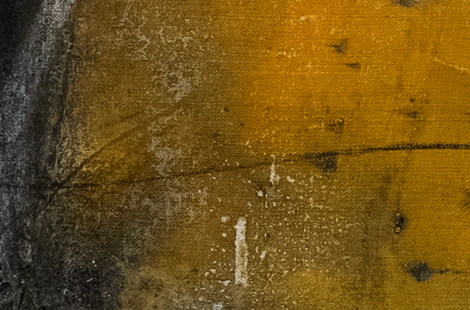
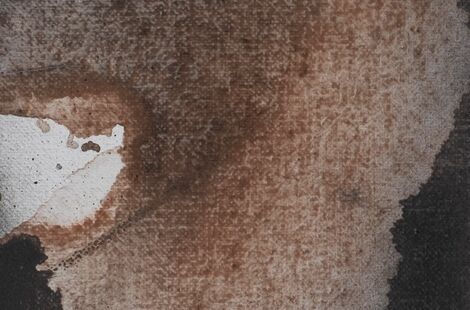
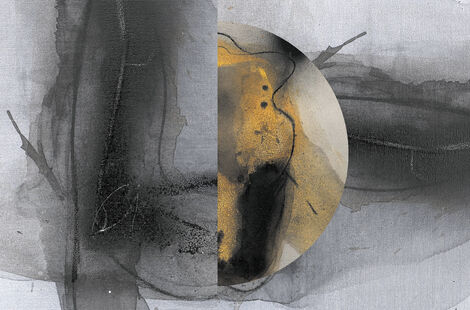
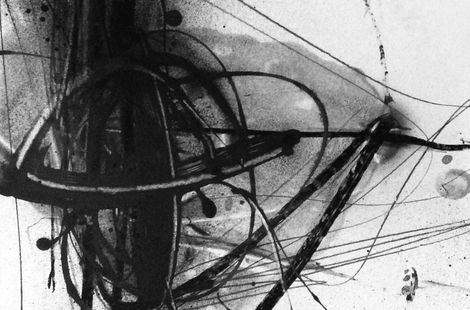
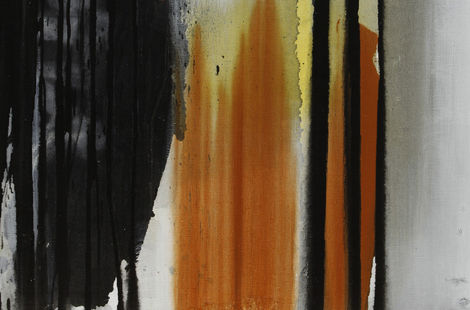
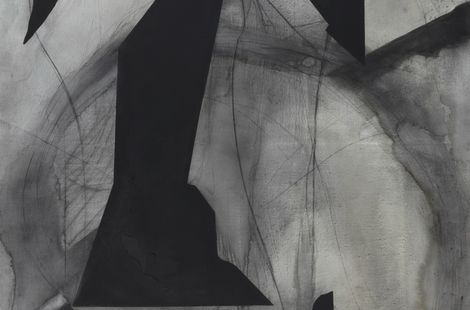
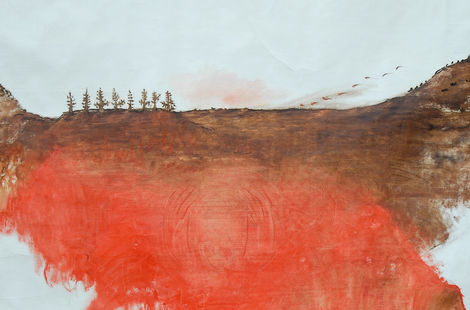
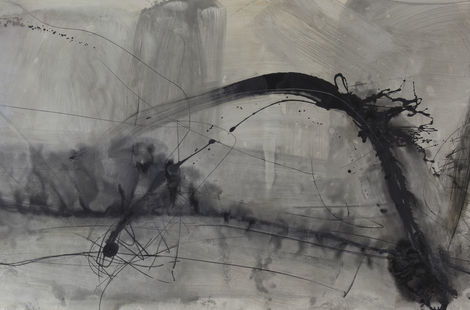
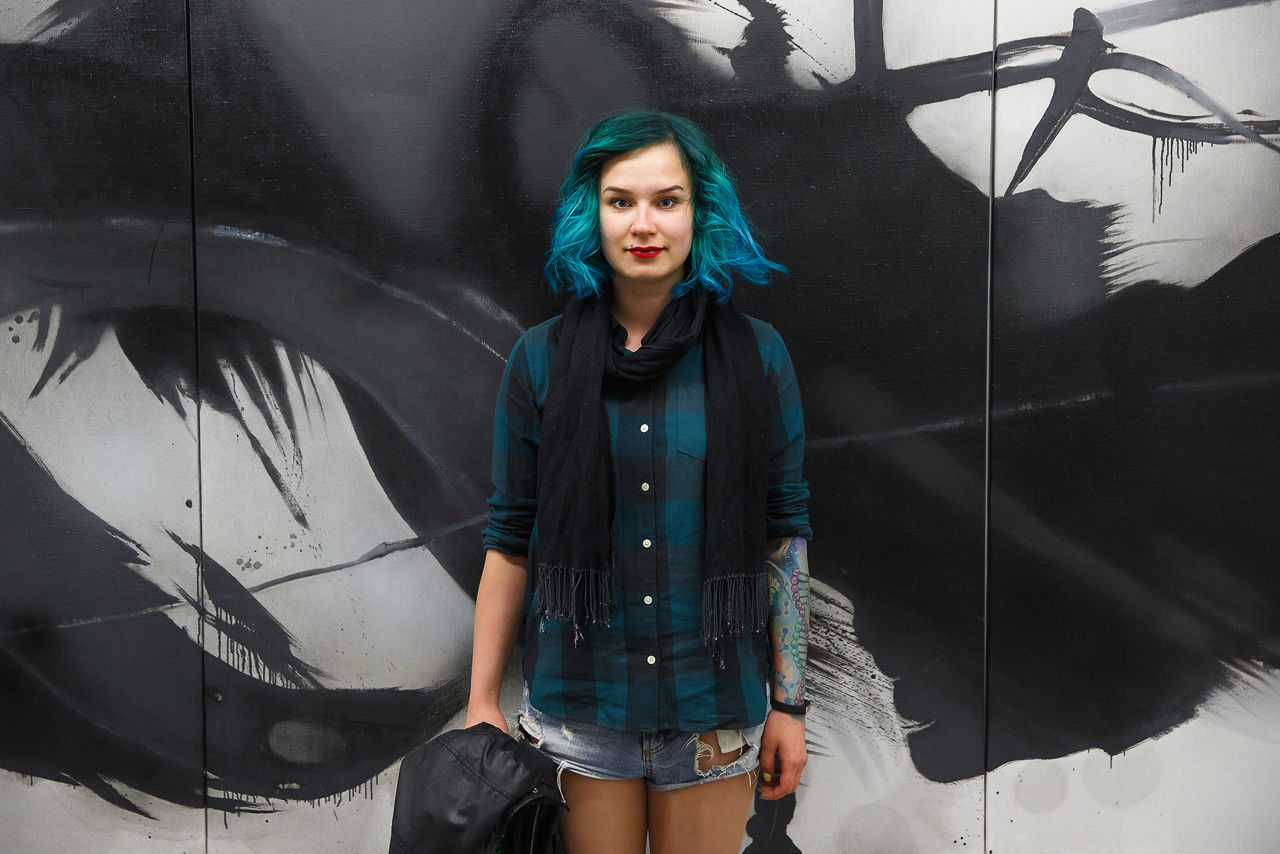
The Stream had a respective influence on its spectator - as a strange substance distant from mutual feelings, just like deserted concrete stairs, beaten by time, or a flow of water that leaves an evidence of its activity on a fuzzy photograph. There are many complicated parts in The Trajectory: black lines which are bold and solid, or thin and sketchy ones that follow different directions, converging or hampering each other. Color seems to be quite independent, occupying its own part of a canvas, gaining texture and breadth. Somewhere it collides with black in collaboration and mutual motion, or vice versa - in antagonisms of the main and auxiliary parts. We see white lines that switch off both paints on the way when a paint-brush goes back. Even there, where only one part seems to be played, - on a huge canvas with wide, forked strokes - the surface of canvas plays a considerable role, to be precise - its multiplicity, triptych which holds one wide gesture. Fragments, which form a cross (an original reference to Antoni Tàpies - one of Yanovych's favorite artists) or a white hook, become a separate points of attention. However, they are not read as symbols, they don't have any meaning while fitting into the image of experience and presence.
“No doubt, events and proceedings of social life have an impact on the artist…" - Yanovych says, but in case of nonfigurative art this influence is not so evident. Moreover, it is abstract art that intensified and continues to keep up-to-date a famous argument about “the dehumanization of art" and its detachment from a human. We can recollect words of José Ortega y Gasset who blamed a modern artist for his aspiration “to bravely deform the reality, break its human aspect, dehumanize it". So now we're dealing with the series that doubts this statement.
Borys Filonenko